Dyslexia Specialist giving all children the chance to shine!
Frequently Asked Questions
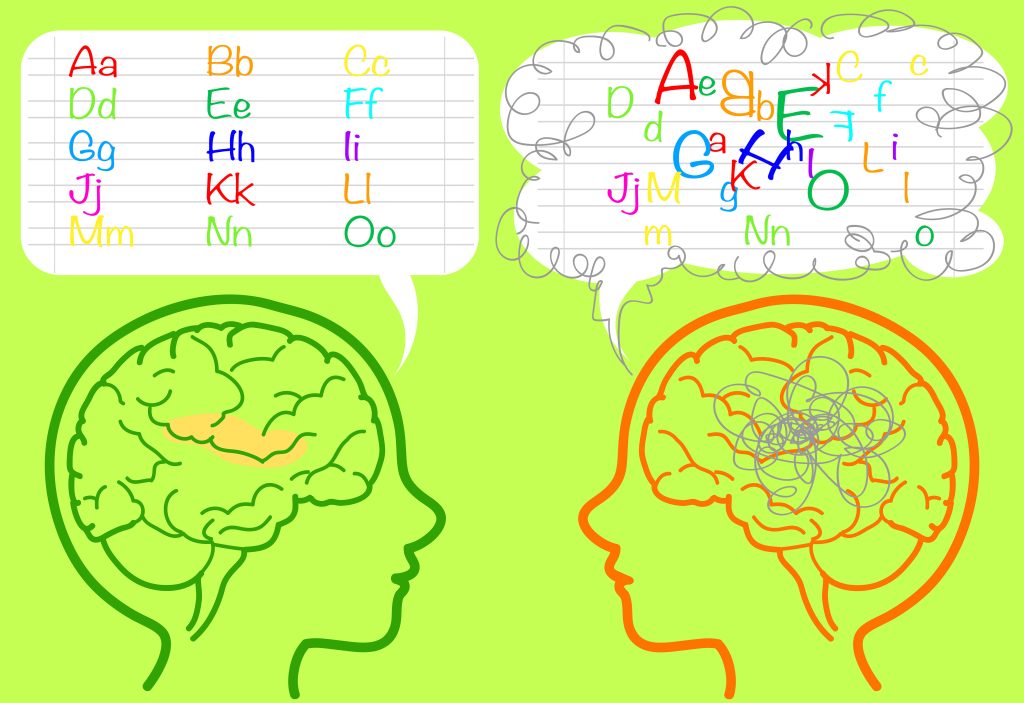
Early signs may include difficulty learning letter sounds, problems remembering sequences, challenges with rhyming, slow progress with reading and spelling, confusion of similar words, and difficulty following verbal instructions. Not all children show the same signs, which is why assessment can be valuable in building a clearer picture.
Yes. Children who experience ongoing difficulties with learning often become frustrated, anxious, or lose confidence in their abilities. Early identification and appropriate support can help improve both academic outcomes and self-esteem.
Your child may benefit from a dyslexia assessment if they experience ongoing difficulties with reading, spelling, writing, or other literacy skills despite receiving appropriate teaching and support. You may notice that they find learning to read and spell more challenging than their peers, need extra time to complete literacy tasks, or become frustrated with schoolwork that involves reading and writing.
If you are concerned about your child’s progress, an assessment can help build a clearer understanding of their strengths and areas of difficulty.
A dyslexia screener is a short assessment that helps identify whether a person may be at risk of dyslexia. It can highlight strengths and difficulties and indicate whether further investigation would be beneficial. However, a screener does not provide a formal dyslexia diagnosis. Screeners are sometimes offered by schools.
A full diagnostic assessment is a comprehensive evaluation carried out by a qualified assessor. It explores a range of cognitive, literacy and processing skills to determine whether dyslexia is present. The assessment results in a detailed written report that includes a diagnosis (where appropriate), a profile of strengths and needs, and personalised recommendations for support at home and school.
A dyslexia assessment provides a detailed picture of your child’s learning profile, identifying both strengths and areas where additional support may be needed. The assessment includes practical recommendations for home and school, helping parents and teachers support your child’s needs more effectively.
For many children and young people, understanding why they find certain tasks challenging can be a positive and empowering experience. It can help improve self-esteem, build confidence, and support self-advocacy as they grow older. The assessment also provides valuable information that can guide future educational planning and support.
Assessment findings may contribute towards the evidence considered when determining eligibility for exam access arrangements. However, schools and examination centres are responsible for gathering and reviewing the full range of evidence required under current regulations.
The assessment process is designed to be straightforward and supportive:
Step 1: Book a free initial consultation to discuss your concerns and your child’s needs.
Step 2: Complete a background questionnaire and provide any relevant school reports or information.
Step 3: Your child attends a comprehensive assessment, which typically takes several hours and includes a range of activities exploring literacy, cognitive processing and learning strengths.
Step 4: You will receive a detailed written report outlining your child’s strengths, areas of difficulty and practical recommendations for home and school.
Step 5: A feedback meeting is offered to discuss the findings, answer any questions and plan the next steps.
Full diagnostic dyslexia assessments are available from age 8. This is because children need to have had sufficient exposure to literacy teaching for a reliable diagnosis to be made. For younger children, educational assessments can help identify areas of strength and need and guide appropriate support.
Assessments are carried out in a calm, supportive environment and involve a range of activities exploring literacy, phonological processing, memory, processing speed, and other underlying skills linked to learning. The assessment is tailored to your child’s age and needs.
Most children enjoy the one-to-one nature of the assessment and quickly realise there are no pass or fail marks. The aim is to understand how your child learns best, not to test what they do not know.
A full diagnostic assessment usually takes around four hours, including breaks where needed. The exact timing will depend on your child’s age and individual needs.
Absolutely. Many parents choose to share the report with teachers, SENCOs, and other professionals so everyone involved can better understand and support the child’s learning needs.
A dyslexia assessment provides valuable information about a child’s broader learning profile, including strengths and weaknesses in cognitive processing and literacy skills. If other concerns emerge during the assessment process, recommendations regarding appropriate next steps can be provided.
Yes. Assessments are only the beginning of the journey. Support is available to help parents understand the findings, discuss recommendations, and decide upon the most appropriate next steps. Specialist tuition is also available.
What is the difference between specialist dyslexia tuition and non-specialist tuition?
Specialist dyslexia tuition is delivered by a teacher who has received additional training in dyslexia and literacy difficulties. Teaching is tailored to your child’s individual strengths and areas of need, using structured, cumulative, multisensory approaches that are designed to help children develop reading, spelling and writing skills more effectively.
While non-specialist tuition may focus on helping a child complete schoolwork or improve general attainment, specialist dyslexia tuition aims to address the underlying difficulties that may be affecting progress and confidence.
No. A diagnosis is not required to access specialist dyslexia tuition. Many children benefit from targeted support because they are experiencing difficulties with reading, spelling or writing, even if they have not had a formal dyslexia assessment.
Specialist tuition is tailored to a child’s individual strengths and needs, helping them develop literacy skills, confidence and successful learning strategies, regardless of whether they have a formal diagnosis.
No. While dyslexia is a key area of expertise, we support young people with a wide range of Specific Learning Difficulties (SpLDs) and neurodevelopmental differences, including:
- ADHD (Attention Deficit Hyperactivity Disorder)
- Dyscalculia
- Developmental Coordination Disorder (DCD/Dyspraxia)
- Autism Spectrum Disorder (ASD)
- Language and communication difficulties
- Working memory and processing difficulties
Our teaching approach is multisensory, structured, cumulative and personalised, which benefits many learners, not just those with dyslexia.
We adapt our support to meet each young person’s individual needs. This may include:
- Breaking learning into manageable steps
- Using visual timetables
- Providing “Now and Next” boards
- Supporting emotional regulation and engagement
- Using adaptive teaching strategies
- Developing organisation and independence skills
- Providing clear, scaffolded instructions
Our goal is to help every learner build confidence, experience success and reach their full potential, regardless of their diagnosis or learning profile.